New Clinic Location in Windsor

FOR IMMEDIATE RELEASE

The Hearing & Dizziness Clinic Announces New Location Opening at 1311 Ouellette Ave

Opening Date: To Be Determined, Late September at the latest

The Hearing & Dizziness Clinic is thrilled to announce the opening of its new location at 1311 Ouellette Ave, Windsor. Owner Doctor of Audiology and Audiologist Bernice McKenzie is eagerly looking forward to providing exceptional care to patients starting in August. This expansion allows us to extend our renowned services to the Windsor community, ensuring that patients receive the same level of care they would at our flagship locations in Amherstburg, Essex, and LaSalle.

With the addition of our Windsor clinic, we are relocating our vestibular equipment from Essex to cater to vertigo patients in the area. This strategic move enables us to enhance our specialized services and offer comprehensive care for individuals experiencing vestibular issues.

At The Hearing & Dizziness Clinic, we remain committed to treating hearing loss under a medical model, emphasizing patient-centric care over technological solutions. Our highly skilled team of experts utilizes the latest advancements in audiology to deliver personalized treatment plans that focus on the individual’s specific needs.

Our diagnostic hearing tests encompass a wide range of evaluations, including computerized cognitive screenings and speech in noise testing. These cutting-edge assessments allow us to provide accurate diagnoses and develop tailored interventions that optimize the patient’s hearing abilities.

We invite everyone to learn more about our services and expertise by visiting our website at www.YouHear.ca. Our website serves as a comprehensive resource, providing valuable information on various hearing and balance disorders, treatment options, and the qualifications of our esteemed staff.

Booking an appointment at The Hearing & Dizziness Clinic is convenient and simple through our website. We encourage individuals in need of audiological services to schedule an appointment and take the first step towards regaining optimal hearing health.

For media inquiries or further information, please contact:

The Hearing & Dizziness Clinic
Phone: (519) 961-9285
Email: info@YouHear.ca


About The Hearing & Dizziness Clinic
The Hearing & Dizziness Clinic is a leading audiology practice with multiple locations in Amherstburg, Essex, LaSalle, and now Windsor. Led by Doctor of Audiology  and Audiologist Bernice McKenzie, the clinic prides itself in treating hearing loss and balance disorders under a medical model. With a patient-centric approach, state-of-the-art technology, and a dedicated team, The Hearing & Dizziness Clinic aims to provide exceptional care and improve the quality of life for individuals experiencing hearing and vestibular challenges.

Note to editors: High-resolution images and interviews with owner Bernice McKenzie are available upon request.
Tinnitus Unveiled: Why It’s Personal, Perplexing, and (Sometimes) Peculiar

Imagine millions of tiny neural “couriers” running from your ears to your brain, delivering sound messages all day, every day. Over time, things like noise exposure, certain medications, viruses, or just plain aging can injure or wipe out some of those couriers. The ones left behind? They might hobble along for a while, under-stimulated and under-performing. But without regular “assignments,” even they can give up entirely — in the scientific world, that’s called apoptosis (aka neural suicide).

Patients often say, “So… you mean use it or lose it?” Yep. Exactly. Under-worked neurons get bored, disengaged, and eventually quit. Unless you give them a reason to stick around — in the form of direct sound stimulation — you lose them.

So, why is tinnitus so different for everyone?
Because hearing loss itself is different for everyone. No universal patterns. Sure, many people have high-frequency tinnitus (thanks to damage in the high-frequency zone), while others with low-frequency loss might hear a low hum. But tinnitus is a subjective experience. It’s your brain’s personal remix — unique to you.

The Four Main Types of Tinnitus

  1. Subjective Tinnitus
    The most common type. Often linked to loud noise exposure. It might vanish as mysteriously as it appeared, or linger for months.
  2. Neurological Tinnitus
    Usually tied to disorders like Meniere’s disease that affect how your brain processes sound.
  3. Somatic Tinnitus
    Influenced by your sensory system. If moving your jaw, neck, head, or even eyes changes the volume or pitch, that’s somatic tinnitus.
  4. Objective Tinnitus
    The rare unicorn. An audiologist can actually hear it with special equipment — sometimes it’s even fixable.

Common Causes of Tinnitus

  • Age-related hearing loss
  • Noise exposure (hello, rock concerts and leaf blowers)
  • Certain medications (high-dose aspirin, some antibiotics, antidepressants, chemo drugs, diuretics)
  • Earwax buildup or infection
  • TMJ dysfunction
  • Chronic neck strain
  • Cardiovascular issues
  • Benign tumors

The Stress Connection

Anxiety and tinnitus have a messy relationship. Stress can make tinnitus feel louder. For some, symptoms begin after trauma or a period of high stress. The result? A vicious loop: tinnitus causes stress, stress makes tinnitus worse, and round we go.

Bottom line: Stress doesn’t always cause tinnitus, but it can crank up the volume. Managing your mindset really does matter.

The Blood Pressure Factor

Both high and low blood pressure can impact your inner ear’s blood flow — and less oxygen means higher risk of hearing issues or tinnitus. Even the meds you take for blood pressure can play a role.

The Earwax Reality Check

Earwax is the unsung hero of your ears. It protects, cleans, and lubricates. Your ears are self-cleaning — chewing, talking, and jaw movement gently move wax out.

But too much wax? That can block sound and cause tinnitus. Skip the cotton swabs and skip ear candling (seriously: burns, punctures, blockages… hard pass).

Can Inflammation Play a Role?

Yes. Inflammation is like static in your body’s operating system. Poor diet, food sensitivities, and excess weight can all fan the flames. Cleaning up your diet — whole foods, healthy fats, less sugar — can help quiet the noise (literally).

Takeaway: Tinnitus isn’t one-size-fits-all. It’s personal, complex, and shaped by everything from neural pathways to stress levels to what’s in your lunchbox. The good news? You have tools, treatments, and strategies to keep it from taking the driver’s seat in your life.

For more in-depth, credible info, visit:

The American Tinnitus Association.

The American Academy of Audiology

The Canadian Academy of Audiology

Discover Our Free Educational Books for Patients

At The Hearing & Dizziness Clinic, we believe that informed patients are empowered patients. That’s why we’re proud to offer a selection of free educational books to help you better understand hearing loss, tinnitus, and their connections to overall health. These resources are available to anyone who wants to learn more, whether you’re a new patient or simply curious about hearing health.

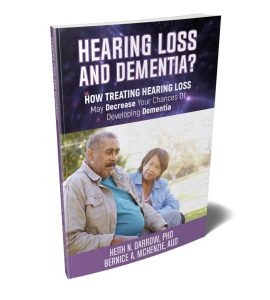
Pre-Education Book
We understand that learning about tinnitus and hearing loss can feel overwhelming, which is why our new patient appointments last up to two hours. To help patients feel prepared and informed, we send them our pre-education book before their appointment. Co-authored by our owner, Bernice McKenzie, this book explains the treatment process in clear, easy-to-understand terms. It’s the perfect way to start your journey toward better hearing health.
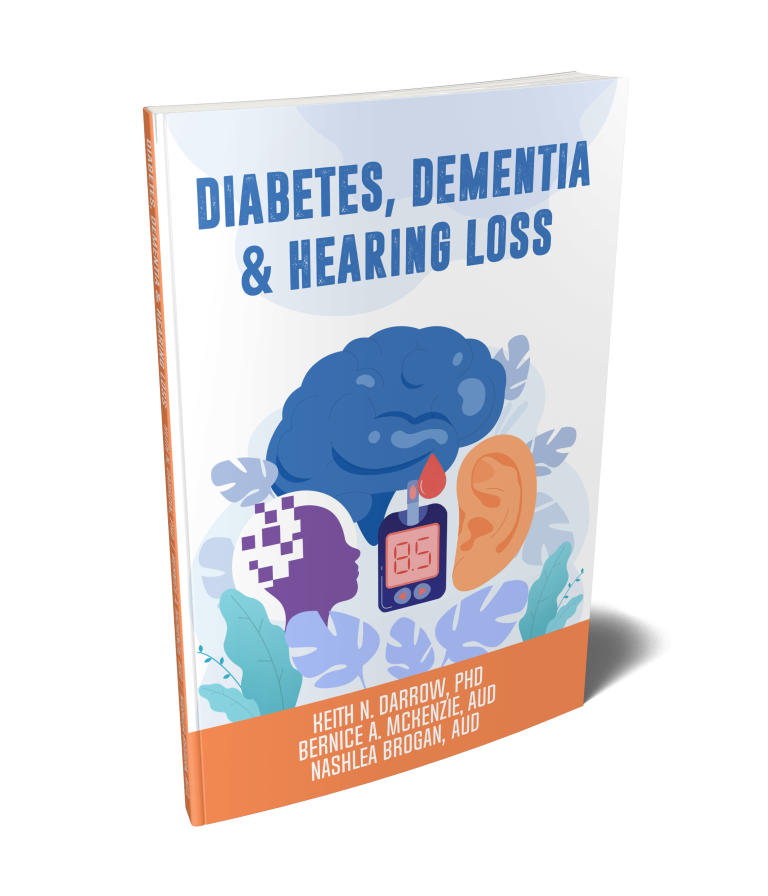


Diabetes, Dementia, and Hearing Loss
Did you know there’s a connection between diabetes, dementia, and hearing loss? This critical link inspired Bernice McKenzie to co-author a book on the topic. It’s an essential resource for anyone interested in understanding how these conditions interact and why treating hearing loss is so important for overall health. You can request your free copy by visiting
DiabetesAndHearing.ca


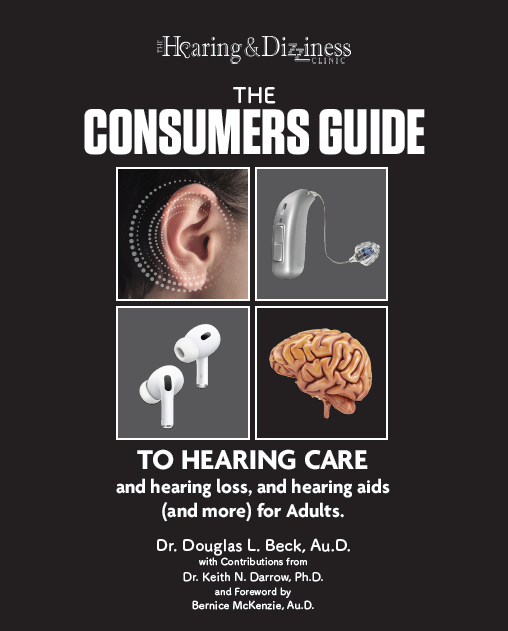
“The Consumers Guide To Hearing Care” by Dr. Douglas Beck
We often receive calls from patients with questions about hearing aids. While our clinicians focus on providing individualized care during appointments, we’ve made it easy for anyone to access reliable information by offering Dr. Douglas Beck’s comprehensive book on hearing aids. Whether you’re considering hearing aids for the first time or just want to learn more, this book is packed with practical advice and insights. You can request a free copy of your book by clicking HERE.


“SILENCED” by Dr. Keith Darrow
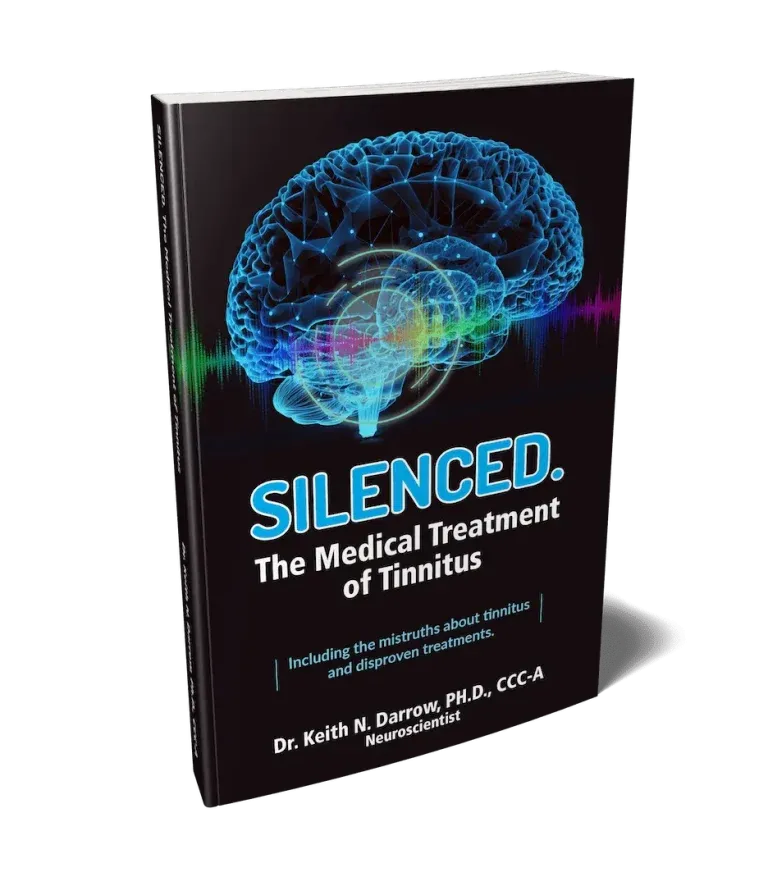
Tinnitus can be a frustrating and confusing condition, especially with so much conflicting information online. Dr. Keith Darrow’s book, “SILENCED. The Medical Treatment of Tinnitus”, is an excellent resource that cuts through the noise. It provides accurate, up-to-date information about tinnitus and treatment options in an easy-to-read format. This book is available free of charge—just request your copy today by clicking HERE.


Whether you’re preparing for your first appointment, exploring treatment options, or seeking trustworthy information, our books are here to help.

At The Hearing & Dizziness Clinic, our goal is to empower you with the knowledge you need to make informed decisions about your hearing health. Take advantage of these free resources today!

The Hearing & Dizziness Clinic: Leading the Charge in Patient-Focused Audiology since 2010

I am Bernice McKenzie, an audiologist and the owner of The Hearing & Dizziness Clinic. Originally from Brantford, Ontario, I moved to Windsor to attend Wayne State University, where I was part of the first graduating class of Doctors of Audiology. Audiology, the study of hearing and balance disorders, provided me the opportunity to help people—a core value in my family of nurses and social workers. However, I soon realized that the profession was shifting towards hearing aid sales rather than patient care.

During my clinical training, I completed internships at Henry Ford Hospital, John Dingell VA Medical Center, Michigan Children’s Hospital, and the Michigan Ear Institute.

In 2010, frustrated by the retail model of audiology, I opened my own clinic, Amherstburg Audiology and Hearing Aids, which I later rebranded as The Hearing & Dizziness Clinic. I expanded to include locations in Windsor, LaSalle, and Essex. From the beginning, my goal has been to put the patient first. By charging for appointments, I removed the pressure of hearing aid sales and ensured that my patients receive a full, comprehensive examination.

One area I am especially passionate about is the connection between hearing loss and cognitive decline. Research shows that untreated hearing loss may increase the risk of cognitive impairment and dementia. To address this, my clinics use Cognivue Thrive, a computerized FDA and Health Canada-approved cognitive screening tool. This technology helps detect early signs of cognitive decline, enabling patients to seek timely medical intervention. “We’re not diagnosing dementia,” I emphasize, “but we want to identify concerns early and refer patients for further testing.”

My clinics also stand out for their thorough hearing assessments. While most clinics test frequencies up to 8,000 Hz, we’ve invested in equipment that can test up to 16,000 Hz, providing a more complete diagnosis. This approach helps identify hearing loss that may be missed at other clinics, especially for patients struggling to understand speech in noisy environments.

We also focus on both hearing and balance issues, investing in specialized equipment to test the ear’s balance system and hiring an occupational therapist to provide therapy for vertigo patients. By offering a wide range of services, we are uniquely positioned to treat both hearing and balance disorders comprehensively.

My philosophy centers on quality of care over quantity. My team spends up to two hours with each new patient, performing in-depth testing and creating personalized treatment plans. Hearing aids are just one part of these plans, and we offer a range of brands to find the best fit for each patient’s needs.

Ultimately, my mission is to restore audiology to a patient-centered medical profession. “We’re different because we focus on patient care, not product sales,” I say. My dedication to offering comprehensive care has set my clinics apart and earned the trust of many patients throughout the region.

Celebrating the 2024 holiday season with you!

The holiday season is upon us—a time to gather with friends and family, share laughter, and create cherished memories. Whatever holiday you’re celebrating this year, we hope your days are filled with joy, love, and togetherness.

As we celebrate, our clinics will be adjusting hours to give our team time to enjoy the season with their loved ones too:

🎄 Holiday Hours:
– Christmas Eve & New Year’s Eve: Closing at noon.
– Friday, December 27th: All clinics will be closed.
– January 2nd & 3rd: Open 9am to 5pm.
– Week of January 6th: Limited hours as we ease into the New Year.

Planning ahead? No problem! You can always book your appointment online—it’s quick, easy, and available 24/7.

From all of us at The Hearing & Dizziness Clinic, we wish you a season full of warmth and wonderful moments. Here’s to a joyful end to the year and a bright start to the next! 🌟

Don’t Miss This Inspiring Talk on Hearing & Brain Health by TedTalk Speaker Nashlea Brogan!

UPDATE 16-JAN-2024:

Due to the recent rise in reported illnesses and COVID cases, we have made the difficult decision to transition this event to a virtual format. Participants will still have the opportunity to engage with Nashlea and ask questions during the session. You can register for the free virtual event by clicking here.

Additionally, we are pleased to announce that three more events featuring Nashlea are planned for later this year, and we warmly invite you to attend.

We apologize for the last-minute change but believe this decision prioritizes the health and well-being of our staff, guest speaker, and community members. Thank you for your understanding and continued support.

We’re thrilled to announce that renowned TedTalk speaker Nashlea Brogan is returning to our community to share her knowledge on hearing and brain health! This is a rare opportunity to hear from one of the most compelling voices in the field.

Mark your calendar for Friday, January 24, 2025, when Nashlea will deliver two powerful talks that could transform the way you think about hearing health.

📍 Event Details

– LaSalle: 10:00 AM
– Essex: 2:00 PM

🌟 Why Attend?

Nashlea’s TedTalk has captivated audiences worldwide, shedding light on the critical connection between hearing and brain function. Her insights are invaluable for anyone looking to improve their health or support loved ones on their hearing journey.

🎟️ Reserve Your Spot

Secure your seat today at HearingSeminar.ca. When you register, we’ll mail you tickets to ensure you’re all set for this incredible event.

Let’s come together as a community to learn, connect, and take steps toward better hearing and brain health.

👉 Register now at HearingSeminar.ca!

In the meantime, you can watch her TedTalk to see why this is an event you *cannot* afford to miss.

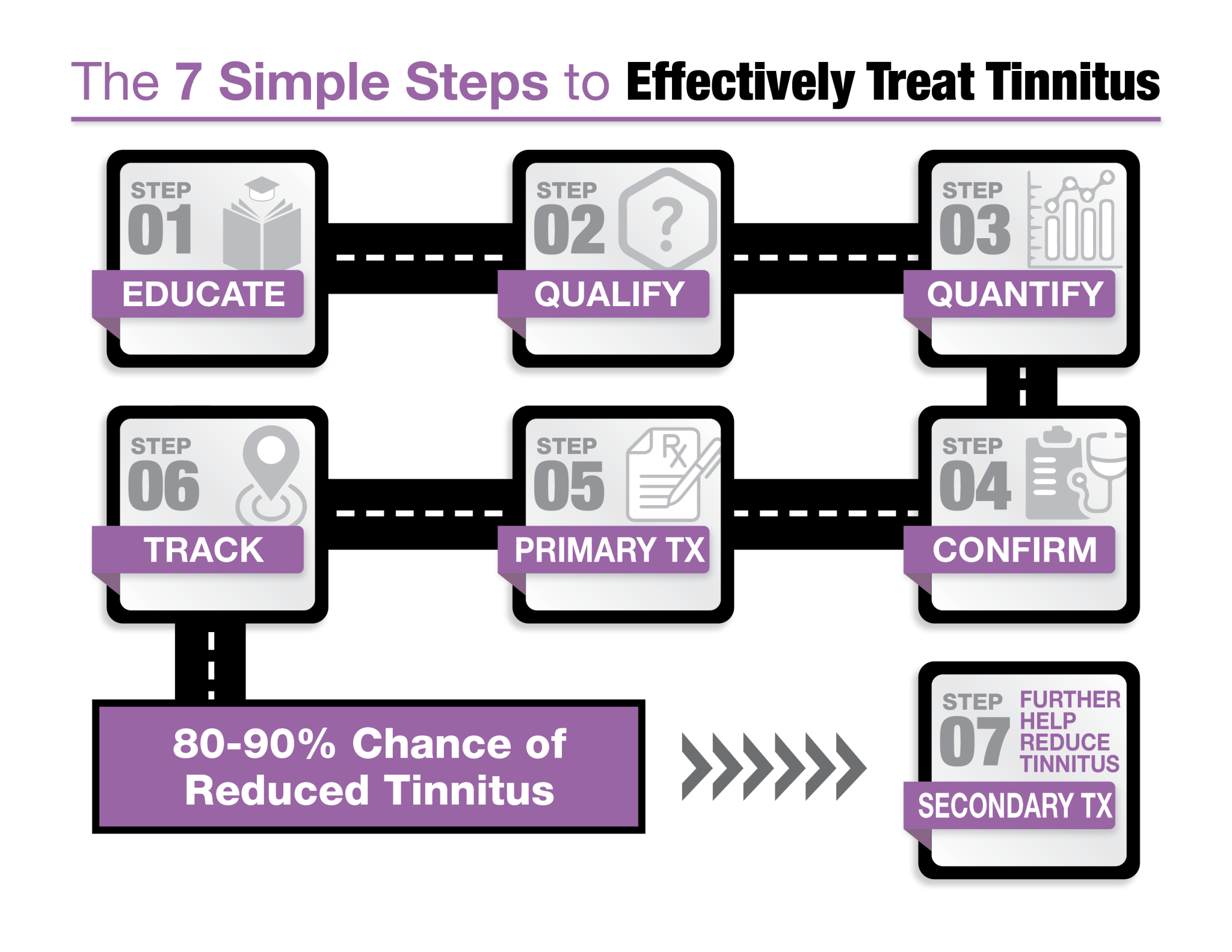
Dr. Keith Darrow’s International Research Study Quantifies the Impact of His Proven 7-Step Tinnitus Treatment Plan

Dr. Keith Darrow, a Harvard Medical School and M.I.T.-trained neuroscientist from the Hearing and Brain Centers of America in St. George, Utah, is spearheading a groundbreaking international research study. This study is designed to evaluate the life-changing benefits of his innovative 7-step tinnitus treatment plan, which has been shown to reduce or eliminate tinnitus symptoms for over 90% of patients who participate.

Tinnitus, a condition characterized by persistent ringing, buzzing, or hissing sounds in the ears, affects nearly 1.5 billion people worldwide. It often leads to emotional distress, sleep disturbances, and difficulties in concentration, significantly impacting quality of life. Dr. Darrow’s comprehensive treatment approach addresses the multifaceted nature of tinnitus, identifies underlying causes, and develops customized strategies for each patient.

The 7-Step Tinnitus Treatment Plan

Dr. Darrow’s proven treatment plan includes:

1.Education through Expert Resources

Patients begin their journey with Dr. Darrow’s book, Silenced: The Medical Treatment of Tinnitus, which provides foundational knowledge about tinnitus and its treatment. You can request a free copy of this book here.

2.Comprehensive Evaluation

Patients undergo a detailed hearing evaluation, tinnitus assessment, and cognitive screening to determine if their tinnitus can be effectively treated with Dr. Darrow’s approach.

3.Personalized Assessment and Staging

Using the world’s leading tinnitus self-assessment tools, the treatment team helps patients quantify and qualify their experience with tinnitus and determine their tinnitus stage.

4.Treatment Planning and Collaboration

The team works closely with patients and their loved ones to confirm the treatment plan, set realistic expectations, and outline the next steps.

5.Direct Treatment of Tinnitus

By stimulating the auditory nerve and addressing underlying damage to the auditory system, the treatment plan helps provide the brain with the stimulation it needs to reduce and often eliminate tinnitus symptoms.

6.Monitoring Progress and Adaptation

During initial and follow-up appointments, hearing and tinnitus professionals track the brain’s adaptation to prescriptive technology, measure symptom relief, and adjust treatment as needed. An 85-90% success rate is typically observed within the first months of the adaptation period, with continued improvement over time.

7.Post-Treatment Support

Patients are supported in their post-treatment journey through Dr. Darrow’s book, Quiet: Living with Less Tinnitus, which offers guidance on lifestyle modifications to maintain symptom relief.

Groundbreaking Research and Global Impact

Dr. Darrow’s international study includes participants from diverse demographics and regions, creating a robust dataset for analysis. By identifying trends and correlations across populations, the study aims to deepen the understanding of tinnitus management and treatment efficacy.

The study’s success will be measured using both quantitative metrics, such as patient-reported outcomes and quality-of-life assessments, and qualitative feedback. This comprehensive analysis will validate the remarkable results achieved by Dr. Darrow’s treatment plan and contribute significantly to the global dialogue on effective tinnitus treatment.

A Transformative Approach to Tinnitus Treatment

Dr. Darrow’s international research study marks a pivotal step forward in improving the lives of those affected by tinnitus. By offering a comprehensive, evidence-based treatment approach, his 7-step plan has the potential to transform how tinnitus is understood and managed worldwide. This initiative provides hope to the 1.5 billion people seeking relief from this challenging condition and underscores the importance of innovative, patient-centered care in achieving meaningful outcomes.

Tinnitus Awareness Week: Understanding and Managing Tinnitus

Tinnitus Awareness Week is an important time to shed light on a condition that affects millions of people worldwide. If you or someone you love experiences a persistent ringing, buzzing, or hissing sound in their ears, you are not alone. Tinnitus can be frustrating, overwhelming, and, at times, life-altering. However, while there is no single cure for tinnitus, there are effective ways to manage it and significantly reduce its impact on daily life.

What Is Tinnitus?

Tinnitus is neurological disorder. It is the perception of sound in the ears or head when no external source is present. It can vary from mild to severe and may be temporary or chronic. While tinnitus is often associated with damage to the auditory system.

Managing Tinnitus: Finding Relief

Tinnitus can be managed. Here are some effective strategies to help make tinnitus less noticeable:

– Hearing Aids & Sound Therapy – Many individuals with tinnitus also have hearing loss. Properly fitted hearing aids provide auditory stimulation to the brain, helping to mask tinnitus and improve overall hearing. Specialized tinnitus maskers and sound therapy can also provide relief.
– Cognitive Behavioral Therapy (CBT) – Stress and anxiety can make tinnitus worse. CBT helps individuals change their response to tinnitus, reducing distress and improving quality of life.
– Lifestyle Adjustments – Reducing caffeine and alcohol intake, avoiding loud noise exposure, and practicing relaxation techniques such as meditation and deep breathing can all help alleviate symptoms.
– Professional Guidance – An audiologist trained in tinnitus management can create a personalized treatment plan to help you regain control over your symptoms.

You Are Not Alone

One of the biggest challenges for tinnitus sufferers is the feeling of helplessness when told that “nothing can be done.” At The Hearing & Dizziness Clinic, we have been successfully managing tinnitus for years. Our team of audiologists is here to provide support, education, and effective treatment options tailored to your needs.

If you or someone you know is struggling with tinnitus, we encourage you to seek professional help. Contact us today to learn more about how we can help you manage your symptoms and improve your quality of life.

Let’s use Tinnitus Awareness Week as a reminder that while tinnitus may not have a cure, there is always hope for relief and better days ahead.

Audiology vs Optometry

Audiology and optometry, while focusing on different senses, share numerous parallels in their approach to diagnostics, patient care, and professional practice. Both fields are dedicated to enhancing essential sensory functions—hearing and vision—that significantly impact an individual’s quality of life.

There are different healthcare providers in both professions. When in comes to the eyes you have ophthalmologists who are surgeons, optometrists who are the primary healthcare providers and opticians. With the ears we have otolaryngologists who are surgeons, audiologists who are the primary healthcare providers and hearing instrument specialists. The three professionals have different scopes of practice and often work together to deliver optimal health care.

Diagnostic Processes

In both audiology and optometry, the diagnostic journey begins with a comprehensive assessment. Audiologists conduct detailed hearing evaluations, including pure-tone audiometry and speech recognition tests, to determine the degree and type of hearing loss. Similarly, optometrists perform thorough eye examinations, utilizing tools like retinoscopes and phoropters to assess visual acuity and identify refractive errors. These assessments are crucial for developing personalized treatment plans tailored to each patient’s needs.

Patient-Centered Care

Both professions emphasize a patient-centered approach, recognizing that sensory impairments can affect various aspects of daily living. Audiologists and optometrists engage in counseling to help patients understand their conditions and the available interventions. This collaborative approach ensures that treatment plans align with the patient’s lifestyle and preferences, whether it’s prescribing appropriate hearing aids or prescribing corrective lenses.

Technological Integration

The integration of advanced technology is a hallmark of both fields. Audiologists prescribe sophisticated hearing aids equipped with features like noise reduction and wireless connectivity. Optometrists prescribe advanced contact lenses and spectacles, utilizing the latest lens technologies to correct vision. Continuous advancements in both areas necessitate ongoing professional development to provide patients with the most effective solutions.

Lifelong Patient Relationships

Audiologists and optometrists often establish long-term relationships with their patients. Regular follow-up appointments are essential to monitor the effectiveness of interventions and make necessary adjustments. For instance, hearing aid prescription may need fine-tuning as a patient’s hearing changes, and eyeglass prescriptions may require updates over time. This ongoing care underscores the commitment of both professions to maintaining and improving sensory health throughout a patient’s life.

Professional Collaboration

Collaboration between audiologists and optometrists can lead to comprehensive care, especially for patients with dual sensory impairments. By working together, these professionals can develop integrated care plans that address both hearing and vision needs, ultimately enhancing overall patient outcomes.

While audiology and optometry specialize in different sensory systems, their shared commitment to thorough diagnostics, patient-centered care, technological integration, and lifelong patient relationships highlights the commonalities between these two essential healthcare professions.

Seminar April 2, 2025

🚨 WINDSOR – GET READY! 🚨

🔥 TEDx Speaker. Industry Leader. Absolute POWERHOUSE. 🔥

Nashlea Brogan is coming to Windsor for a LIVE, IN-PERSON event! This is your chance to learn from one of the best in the game. She’s been on the big stage, she’s changed lives, and now she’s bringing her knowledge straight to YOU.

🗓 Wednesday, April 2nd
⏰ 10:00 AM
📍 Windsor – Ojibway Nature Centre

🎤 TOPIC: Hearing, Tinnitus & the Brain 🧠👂

If you or someone you love has ever struggled with hearing loss or ringing in the ears, this is a MUST-ATTEND event. Your brain, your hearing, and your future are at stake—don’t sit on the sidelines.

This will sell out FAST, Register at HearingSeminar.ca